What Happens During 3D Eye Mapping Before LASIK?
MBBS, MS (Ophthalmology), Fellowship in Phaco & Refractive Surgery · The Healing Touch Super Speciality Eye Care, New Delhi — Vikaspuri · Janakpuri
Before you decide on LASIK or any advanced laser procedure, understanding your eye’s unique features is crucial. That’s where 3D eye mapping before LASIK comes in. At Centre for Lasik, every patient considering WaveLight Plus InnovEyes undergoes a complimentary Advanced Eye Mapping session—setting the foundation for truly personalised treatment.
This page explains exactly what happens during this mapping session, the technology behind it, and why it’s a vital first step before any surgical recommendations are made. Whether you’re from Mumbai or Chennai, or anywhere across India, knowing how your eyes are evaluated can help you make a confident, informed decision about your vision correction journey.
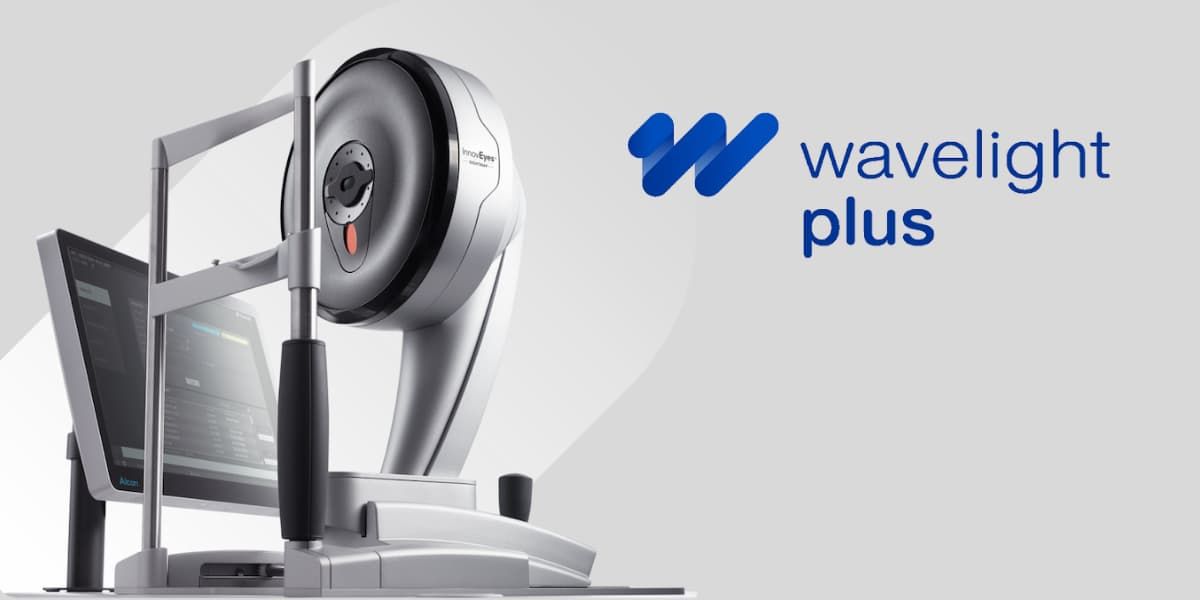
Why 3D Eye Mapping Is Essential Before LASIK
Many people believe their spectacle number or basic eye power is the only thing that matters for LASIK. In reality, your vision depends on a complex interaction of your cornea, lens, pupil size, and the way light travels through the entire eye. 3D eye mapping captures detailed information about all these structures, going far beyond a simple prescription check.
Before any laser vision correction, such as WaveLight Plus InnovEyes, SMILE, or PRK, this comprehensive mapping helps:
- Detect conditions like irregular astigmatism or keratoconus early
- Measure corneal thickness and shape, which influence eligibility
- Identify subtle surface irregularities invisible to standard scans
Your mapping results guide both your eligibility and the personalisation of your treatment plan. If the scans show any concerns, your doctor may recommend further tests or discuss alternative procedures such as ICL or surface ablation—all based on your eyes’ unique characteristics. For more, see Am I Eligible for WaveLight Plus?.
What Instruments Are Used for Eye Mapping?
During your Advanced Eye Mapping session, advanced diagnostic instruments create a Digital Eye Twin—a virtual model of your eye's optical system. At Centre for Lasik, these devices may include:
- Wavefront aberrometer: Captures how light passes through the eye, measuring microscopic optical imperfections (higher-order aberrations) that affect night vision and contrast.
- Corneal tomographer (such as Pentacam or Galilei): Scans the cornea in 3D, measuring thickness, shape, and curvature in thousands of points.
- Topographer: Maps the corneal surface for irregularities or subtle warping.
- Pachymeter: Measures exact corneal thickness—critical for safety in all laser procedures.
These painless, non-contact scans usually take just a few minutes per eye and are performed by an experienced technician. You simply rest your chin and forehead on the instrument, focus on a target light, and let the machine do the rest. No drops, needles, or discomfort involved.
How Long Does the Eye Mapping Test Take?
Patients often worry about how much time to set aside for their LASIK diagnostics. The eye mapping test itself is surprisingly quick. The scanning part of your Advanced Eye Mapping session usually takes about 20–30 minutes for both eyes, depending on the number of tests required and your cooperation.
Allow a little extra time for:
- Registration and history taking (5–10 minutes)
- Detailed discussion with your consultant after the scans (15–20 minutes)
Some patients, especially those with a strong or complex prescription, may need extra scans. If your eyes are dry or you wear contact lenses, your doctor may advise a brief waiting period before mapping for optimal accuracy. For most people, the entire assessment—including consultation—fits into a 45–60 minute appointment, making it easy to schedule around work or family commitments.
What Do the Scans Actually Measure?
Each scan in the Advanced Eye Mapping session captures specific details:
- Corneal shape and curvature: 3D maps show not just the steepness and flatness, but also any subtle irregularities that could impact healing or results.
- Corneal thickness (pachymetry): Ensures you have enough tissue for safe reshaping—particularly important if you have a high prescription or thin corneas.
- Wavefront aberrations: Measures tiny optical imperfections that cause glare or halos, especially at night; these are used to personalise the laser plan.
- Pupil dynamics: Assesses how your pupil size changes in different lighting, which affects glare and visual quality after surgery.
- Lens clarity: Sometimes, issues inside the eye, like early cataract, are detected that may change the recommended treatment.
This multi-layered approach ensures your proposed vision correction is based on your unique eye anatomy, not just your spectacle number. For a deeper dive, see Advanced Eye Mapping Explained.
Why Mapping Comes Before Any Surgical Decision
No reputable LASIK centre in India should offer surgery without first understanding your complete eye profile. The goal of corneal mapping for LASIK and whole-eye scanning is patient safety and best-possible outcomes.
Mapping helps answer crucial questions:
- Are your corneas healthy and thick enough for laser reshaping?
- Is your prescription stable and within safe treatment limits?
- Do you have risk factors (like dry eye, irregular cornea, or early cataract) that mean LASIK, SMILE, or even ICL would be a safer choice?
Your scans are reviewed by a surgeon before any recommendation is made. If you are not suitable for WaveLight Plus InnovEyes, you may still be eligible for other advanced options. Learn about alternatives at Compare All Procedures.
For students, professionals, and those seeking jobs in aviation, defence or police, mapping also helps in documentation for medical fitness. Always double-check the latest official vision requirements for your career before making a decision, as rules can change.
Your Next Steps: What Happens After Mapping?
After your free Advanced Eye Mapping session, your consultant will explain your results in detail. You’ll learn:
- Whether your eyes are suitable for WaveLight Plus InnovEyes or another procedure
- What the scans revealed about your cornea and optical system
- What visual outcomes are realistic for your particular eyes (remember, some patients may achieve better than 6/6, but this cannot be guaranteed)
- The all-inclusive cost (₹49,999 per eye, with no-cost EMI options)
- What to expect during and after the procedure, including the 12-month follow-up
There is no obligation to proceed. Many patients take their reports home to discuss with family. If you decide to move forward, your surgical plan will be based on your unique 3D eye data, not a one-size-fits-all approach. Ready to see if you’re a candidate? Book your free Advanced Eye Mapping session today.
Frequently Asked Questions
See If Your Eyes Qualify for Personalised Laser Vision Correction
Take the first step toward clearer vision with a free, no-obligation Advanced Eye Mapping session at Centre for Lasik. Find out if WaveLight Plus InnovEyes or another advanced procedure is right for your unique eyes.
+91-96677 70450Related Reading
Am I Eligible for WaveLight Plus InnovEyes? Full Candidacy Checklist
Find out if you are eligible for WaveLight Plus. Explore key criteria like age, prescription, and cornea health in this comprehensive eligibility guide.
Read more Honest ComparisonsWaveLight Plus vs LASIK: What Sets Them Apart?
Explore the difference between WaveLight Plus and LASIK. Learn how WaveLight Plus uses advanced eye mapping for personalised treatment. Compare now.
Read more Technology ExplainedAdvanced Eye Mapping: The Complete LASIK Eye Test Before Surgery
Discover what advanced eye mapping includes, why it's crucial before LASIK, and how your free assessment at Centre for Lasik determines suitability.
Read more Technology ExplainedPersonalized Laser Vision Correction: From Standard to Ray-Traced Planning
Discover personalized laser vision correction options in India. Learn about standard, wavefront, topography-guided, and ray-traced treatments.
Read more Technology ExplainedWhy Whole Eye Measurement Matters in LASIK Planning
Learn how whole eye measurement LASIK uses advanced scans and axial length for tailored treatment and improved results for Indian patients.
Read more Technology ExplainedDigital Eye Twin LASIK: How Virtual Eye Models Guide Personalised Correction
Explore Digital Eye Twin LASIK and how its virtual eye model delivers precise, personalised laser vision correction for optimal results.
Read more