WaveLight FS200 Femtosecond Laser Flap Creation Explained
MBBS, MS (Ophthalmology), Fellowship in Phaco & Refractive Surgery · The Healing Touch Super Speciality Eye Care, New Delhi — Vikaspuri · Janakpuri
Many patients in India are now exploring blade-free LASIK options for vision correction, seeking advanced technology and greater peace of mind. One key innovation is the use of femtosecond lasers—like the WaveLight FS200 femtosecond laser—to create the corneal flap without using a mechanical blade (microkeratome).
This page explains how the FS200 femtosecond laser works for flap creation in LASIK, why precise flap planning matters, and what the entire process looks like as part of the WaveLight Plus InnovEyes platform at Centre for Lasik. You’ll also learn how this approach differs from conventional methods and how personalized planning is done based on your unique eye measurements.
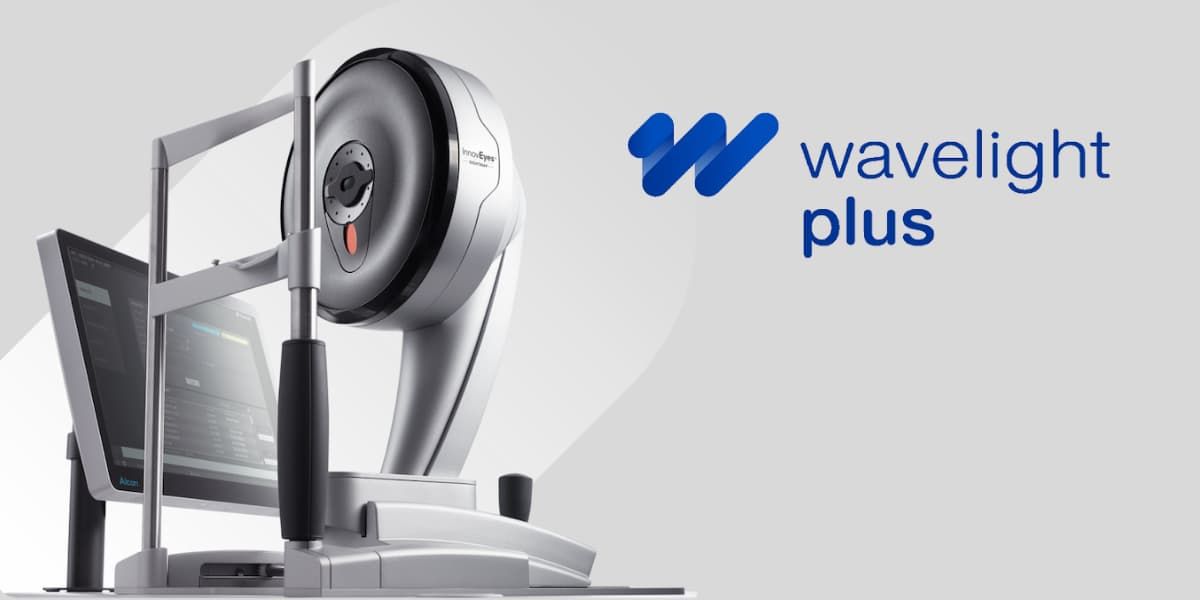
How Does the FS200 Femtosecond Laser Create a Flap?
Traditional LASIK uses a fine oscillating blade (microkeratome) to make a thin flap in the cornea. The WaveLight FS200 femtosecond laser replaces this step with a highly focused laser beam, which delivers thousands of ultra-short pulses to a precise layer within your cornea. These pulses separate corneal tissue at a microscopic level, allowing the surgeon to gently lift the flap with a surgical tool—no blade ever touches your eye.
For Indian patients worried about safety or precision, this technology reduces the risk of irregular flaps and makes the procedure more customizable. Each flap is designed digitally according to your eye’s measurements, aiming for smooth edges and uniform thickness. This can be especially reassuring for those with thinner or unusually shaped corneas, as the surgeon and laser plan the best possible flap geometry for your unique anatomy.
Planning Flap Thickness: Why It Matters
Flap thickness is a critical factor in LASIK safety and outcomes. The FS200 laser allows your surgeon to select an exact flap depth—typically between 90 and 120 microns, depending on your corneal thickness and prescription. Thinner flaps preserve more corneal tissue, which may be important for patients with higher spectacle numbers or thinner corneas.
During your free Advanced Eye Mapping session, detailed measurements—such as total corneal thickness and 3D shape—inform the flap plan. For example, a young IT professional in Bengaluru with a -7.00D prescription and borderline corneal thickness might benefit from a thinner, more precisely located flap, helping to retain maximum strength in the remaining cornea. The entire plan is personalized, not one-size-fits-all. However, final suitability and flap design always depend on your unique measurements and the surgeon’s assessment.
Flap Geometry: More Than Just Thickness
Beyond thickness, the geometry of the corneal flap influences healing, stability, and comfort. The FS200 femtosecond laser can create flaps with:
- Smooth, consistent edges (reducing healing complications)
- Uniform thickness across the entire flap area
- Customizable shape and hinge position (where the flap remains attached)
This control helps meet diverse patient needs. For instance, a Mumbai-based pilot applicant may require a superior hinge to avoid disturbing the main nerve pathways, while a Gurgaon-based athlete might benefit from geometry that supports faster recovery. The ability to tailor flap size and shape also supports personalized treatments, such as those based on wavefront or ray-tracing data in the WaveLight Plus InnovEyes protocol. Such attention to detail is particularly valuable in complex cases or for patients with unique corneal anatomy.
FS200 Workflow: What to Expect During Your Procedure
On the day of your LASIK with the FS200, the workflow is designed for comfort and safety:
- Pre-operative eye mapping: Your personalized treatment plan is loaded into the laser from your previous digital scans.
- Laser interface placement: A soft, contoured contact is gently placed on your eye to stabilize it.
- Flap creation: The FS200 delivers laser pulses for about 8–12 seconds, creating the flap at the planned depth and shape. Most patients feel only mild pressure, not pain.
- Flap lift and ablation: The surgeon lifts the flap and proceeds with vision correction using the WaveLight excimer laser.
Unlike mechanical blades, the FS200 workflow is not reliant on manual dexterity for flap thickness or shape, reducing variability. Surgeons in Indian metros increasingly prefer this approach, especially for patients with higher prescriptions, complex corneal shapes, or those seeking the most advanced technology.
How FS200 Fits Into WaveLight Plus InnovEyes Personalization
The FS200 femtosecond laser is integral to the WaveLight Plus InnovEyes platform, which uses a Digital Eye Twin—a virtual model built from your advanced diagnostic scans. This model helps plan not just the vision correction itself, but also the exact flap needed for safe, effective treatment.
Your spectacle number is only one part of your vision. With WaveLight Plus, measurements like corneal thickness, surface shape, and even how light travels through your complete optical system are analyzed. The FS200’s precision ensures that the flap matches the complex treatment profile, supporting smoother visual outcomes and tailored healing.
If you’re considering femtosecond laser LASIK in India, the combination of FS200 flap creation and ray-tracing-guided planning sets a new standard for what’s possible—while always keeping your safety at the centre. To see if this level of personalization is suitable for you, book a free, no-obligation assessment at Centre for Lasik.
Cost, Eligibility, and Next Steps for Indian Patients
At Centre for Lasik, WaveLight Plus InnovEyes—including FS200 femtosecond laser flap creation—is offered at an all-inclusive price of ₹49,999 per eye (₹99,998 for both eyes). This covers your complete procedure, pre-op mapping, and 12 months of follow-up. No-cost EMI options start from ₹4,167/month, making advanced technology accessible across India.
Before any surgery, eligibility is confirmed through a thorough assessment of your corneal thickness, eye shape, prescription stability, dry eye status, age, and individual needs. Some patients may discover that another procedure, like SMILE or ICL, is safer or more suitable. Your surgeon will help you understand your options based on your test results. For those in regulated professions (aviation, defence, police), always check the latest official vision standards for refractive surgery. Learn more about WaveLight Plus eligibility and how it compares to LASIK.
Frequently Asked Questions
Ready to see if FS200 flap creation is right for you?
Find out your suitability for advanced blade-free LASIK with a free, no-obligation assessment.
+91-96677 70450Related Reading
Am I Eligible for WaveLight Plus InnovEyes? Full Candidacy Checklist
Find out if you are eligible for WaveLight Plus. Explore key criteria like age, prescription, and cornea health in this comprehensive eligibility guide.
Read more Honest ComparisonsWaveLight Plus vs LASIK: What Sets Them Apart?
Explore the difference between WaveLight Plus and LASIK. Learn how WaveLight Plus uses advanced eye mapping for personalised treatment. Compare now.
Read more Technology ExplainedAdvanced Eye Mapping: The Complete LASIK Eye Test Before Surgery
Discover what advanced eye mapping includes, why it's crucial before LASIK, and how your free assessment at Centre for Lasik determines suitability.
Read more Technology ExplainedEye Tracking in LASIK: How the Laser Follows Your Eye for Precision
Learn how advanced eye tracking in LASIK ensures safety and precision, even if your eye moves, with WaveLight Plus InnovEyes in India.
Read more Technology ExplainedWaveLight EX500 Excimer Laser: Engineering and Safety Explained
Discover the WaveLight EX500 excimer laser with 500 Hz ablation, advanced eye tracking, and safety features for precise laser vision correction.
Read more