Eye Tracking in LASIK: How the Laser Follows Your Eye for Precision
MBBS, MS (Ophthalmology), Fellowship in Phaco & Refractive Surgery · The Healing Touch Super Speciality Eye Care, New Delhi — Vikaspuri · Janakpuri
A common worry for first-time LASIK researchers is, "What if my eye moves during the laser procedure?" In reality, even the steadiest patient can have small, involuntary eye movements. Modern LASIK technology is built to handle this.
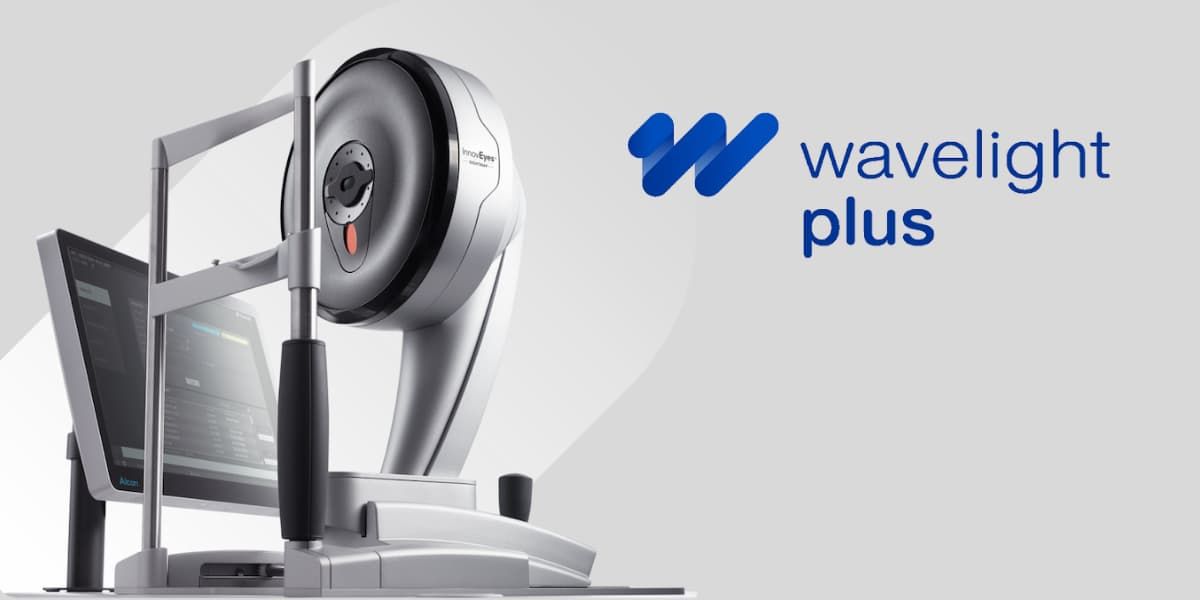
With WaveLight Plus InnovEyes, advanced multi-dimensional eye tracking works behind the scenes to ensure your laser treatment remains precise, even if your eye shifts slightly. This page explains, in detail and with Indian patient scenarios, how LASIK eye trackers function, what happens if your eye moves, and why you can feel reassured by the safety mechanisms built into WaveLight Plus InnovEyes at the Centre for Lasik.
What Is Eye Tracking in LASIK and Why Does It Matter?
During LASIK, the laser must deliver energy to extremely precise spots on your cornea—measured in microns. However, eyes naturally make small, involuntary movements called microsaccades. Even with good cooperation, it is impossible for any human to keep their eye perfectly still for the duration of a laser pulse.
Eye tracking in LASIK refers to real-time monitoring of your eye's position and orientation. The WaveLight Plus InnovEyes system uses advanced cameras and sensors to detect these tiny movements, adjusting the laser’s aim many times per second. This ensures that treatment is delivered exactly where intended, protecting both safety and visual outcomes.
For Indian patients worried about moving their eyes during the procedure, understanding this technology helps reduce anxiety: the system is designed for real-world human behaviour.
How Multi-Dimensional Eye Tracking Works During LASIK
Traditional LASIK eye trackers followed horizontal and vertical movement. The WaveLight Plus InnovEyes system uses multi-dimensional eye tracking, which also monitors rotational and depth movements, not just side-to-side or up-down shifts.
This means:
- It detects and compensates for cyclotorsion (rotational movement of the eye), which can be significant in patients with astigmatism or higher spectacle numbers.
- It tracks depth (z-axis) changes, so treatment remains accurate even if your eye slightly moves forward or backward.
- All movements are tracked in real time, several hundred times per second—much faster than the fastest voluntary eye movement a patient can make.
For example, in a busy Indian city like Mumbai, if a patient blinks or becomes anxious during their session, the tracker rapidly detects this and the system automatically responds.
Tracking Frequency vs. Eye Movement Speed: Why It Matters
LASIK eye trackers like those on the WaveLight Plus InnovEyes platform operate at extremely high speeds—often over 1000 measurements per second. In comparison, even rapid eye movements (saccades) occur at much slower frequencies.
This means that the tracker can detect and compensate for most natural eye shifts in real time. If you were to try to "outrun" the laser with your eyes, the system would still keep up. For Indian patients, this translates to peace of mind: the technology is specifically designed to match or exceed the speed of any normal eye movement during surgery.
Additionally, the laser pulses themselves are delivered in milliseconds, and the tracker is constantly verifying that the beam is aligned with the correct spot on your cornea before each pulse is released. This precise coordination reduces the risk of off-target ablation and helps maintain the accuracy of your personalized treatment plan.
What If My Eye Moves During the LASIK Laser? Automatic Pause Explained
Many patients ask: What if I move my eye suddenly or by mistake during treatment? The WaveLight Plus InnovEyes LASIK eye tracker has built-in safety features to protect you.
If your eye shifts outside a very small, safe zone, the system instantly pauses the laser—automatically and without relying on the surgeon’s manual reaction. Treatment only resumes when your eye is again in the correct position. This happens in a split second, so there is no risk of the laser firing to the wrong part of your eye.
Imagine a patient in Delhi who suddenly flinches when a sound is heard outside the clinic. The system detects this rapid, unplanned movement, stops the laser, and only restarts once your eye is perfectly realigned. This automatic pause behaviour is a key reason why modern LASIK is both precise and reassuring, even for anxious first-timers.
Personalised Treatment: Why Eye Tracking Matters More with InnovEyes
WaveLight Plus InnovEyes is built on the idea that your spectacle number is only one part of your vision. It uses ray-tracing and Digital Eye Twin technology, taking into account how light travels through your entire optical system. This creates a highly personalised treatment plan for each patient.
Such advanced personalisation depends critically on delivering the laser exactly as planned. Eye tracking ensures that the correction mapped out during your free Advanced Eye Mapping assessment is delivered with real-world accuracy, no matter how your eye naturally moves.
For Indian patients considering other options like SMILE, SILK, or ICL, it’s important to note that each technique has its strengths and suitability depends on many factors. However, for those with complex prescriptions or higher visual quality demands, precise eye tracking enables the full benefit of InnovEyes’ advanced planning.
Safety, Eligibility, and What to Expect During Surgery
While eye tracking greatly increases the safety and precision of LASIK, your overall suitability for WaveLight Plus InnovEyes is determined only after a detailed eye examination. Factors like corneal thickness, shape, dryness, and prescription stability are all considered by your surgeon.
The procedure itself is quick, and the eye tracker works seamlessly in the background. Most patients from cities like Bangalore or Hyderabad describe the process as surprisingly comfortable, with no sensation of the eye being "held" by the tracker. Your surgeon and clinical team will guide you through the process, and you’ll have the chance to ask any questions during your free assessment.
If you work in regulated professions such as aviation or defence, be sure to check the latest official guidelines before proceeding, as requirements may change.
Frequently Asked Questions
See How Advanced Eye Tracking Makes LASIK Safer and More Precise
Take the next step with a free, no-obligation Advanced Eye Mapping session at Centre for Lasik.
+91-96677 70450Related Reading
Am I Eligible for WaveLight Plus InnovEyes? Full Candidacy Checklist
Find out if you are eligible for WaveLight Plus. Explore key criteria like age, prescription, and cornea health in this comprehensive eligibility guide.
Read more Honest ComparisonsWaveLight Plus vs LASIK: What Sets Them Apart?
Explore the difference between WaveLight Plus and LASIK. Learn how WaveLight Plus uses advanced eye mapping for personalised treatment. Compare now.
Read more Technology ExplainedAdvanced Eye Mapping: The Complete LASIK Eye Test Before Surgery
Discover what advanced eye mapping includes, why it's crucial before LASIK, and how your free assessment at Centre for Lasik determines suitability.
Read more Technology ExplainedLASIK Flap Creation in WaveLight Plus InnovEyes: Anatomy, Thin Flaps, and Healing
Discover how LASIK flap creation in WaveLight Plus uses 80 micron thin flaps to maximize tissue preservation and expand candidacy for Indian patients.
Read more Technology ExplainedWhat is WaveLight Plus InnovEyes? A Plain-Language Guide
Discover what is WaveLight Plus InnovEyes, how it personalises LASIK using advanced Alcon platform tech, and what Indian patients should know before deciding.
Read more