LASIK Flap Creation in WaveLight Plus InnovEyes: Anatomy, Thin Flaps, and Healing
MBBS, MS (Ophthalmology), Fellowship in Phaco & Refractive Surgery · The Healing Touch Super Speciality Eye Care, New Delhi — Vikaspuri · Janakpuri
If you’re considering LASIK but are worried about how much tissue is removed or whether you have ‘enough’ corneal thickness, it’s natural to be concerned. The idea of a flap being created on your eye can raise many questions about safety, long-term stability, and healing.
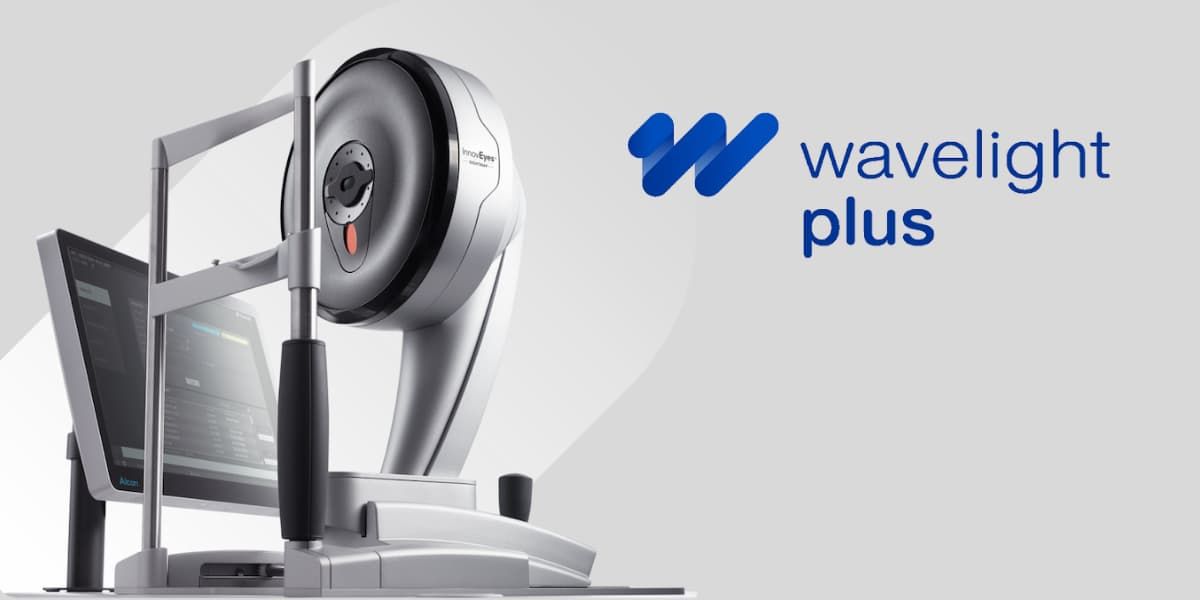
WaveLight Plus InnovEyes, available at Centre for Lasik, is an advanced laser vision correction option that takes a highly personalised approach to flap creation. This page explains how thin flaps—often as precise as 80 microns—are planned, why preserving every micron matters for your eligibility, and what healing looks like after surgery. Whether you’re from Mumbai, Bengaluru, Delhi, or anywhere in India, understanding these concepts can help you make an informed decision.
What Is a LASIK Flap? Understanding the Basics
During LASIK, a thin layer at the front of your cornea (the clear part of your eye) is gently lifted to allow the laser to reshape the underlying tissue. This thin layer is called the LASIK flap. In modern techniques like WaveLight Plus InnovEyes, this flap is created using a computer-guided femtosecond laser for high precision and uniform thickness.
The flap acts as a natural bandage during healing. After the laser reshapes your cornea, the flap is repositioned and begins to adhere almost immediately. Concerns about flap safety are common, but advances in technology mean flaps are thinner, more consistent, and tailored to your specific corneal measurements. If you’re interested in further details on how your unique eye measurements are used, see our Advanced Eye Mapping explained page.
Thin Flap LASIK: Why 80 Microns Matters
Traditional LASIK flaps were often 120 microns or thicker. WaveLight Plus InnovEyes enables thin flap LASIK using flaps as slim as 80 microns—in some cases, even slightly less, depending on your eye’s anatomy. For context, a human hair is about 60–80 microns thick.
Why does this matter? The thinner the flap, the more corneal tissue is preserved for the actual vision correction. In Indian patients with moderate to high spectacle numbers or naturally thinner corneas, every micron saved can make the difference between being eligible or ineligible for LASIK. A thinner flap means more tissue remains untouched, supporting long-term strength and safety. However, the right flap thickness for you depends on many factors—this is determined during your Advanced Eye Mapping session.
Tissue Budget: How Flap Thickness Affects Eligibility
Your cornea is like a valuable real estate—there’s only so much tissue to work with. Each step in LASIK uses a certain amount: flap creation removes a layer, and laser correction removes more tissue based on your spectacle number.
A simple rule of thumb: correcting 1 dioptre (D) of spectacle number typically removes about 15 microns of tissue. So, someone with a -4 D prescription might need around 60 microns removed for correction. If your flap is 80 microns (rather than 120), that’s 40 microns saved—possibly enough to keep you in the safe zone for eligibility.
Indian patients with thinner corneas, higher corrections, or borderline eligibility often benefit from this tissue-saving approach. However, your total ‘tissue budget’ also depends on corneal shape, age, and eye health. Suitability is only confirmed after a detailed clinical assessment. For a breakdown of what makes someone a good candidate, see Am I Eligible for WaveLight Plus?.
Personalised Flap Planning with Digital Eye Twin
WaveLight Plus InnovEyes uses a sophisticated virtual model—your Digital Eye Twin—to guide flap creation. Rather than relying on standard measurements, the system builds a 3D map of your eye using whole-eye optical data. This allows your surgeon to customise the flap’s thickness, diameter, and position based on your unique anatomy and vision goals.
For example, a 28-year-old IT professional from Hyderabad with slightly thinner corneas and moderate myopia may be advised a thinner 80 micron flap to maximise tissue savings, while still ensuring optimal healing. Meanwhile, someone with a thicker cornea might have flexibility for a slightly thicker flap if needed. This level of personalisation is one reason why WaveLight Plus InnovEyes is seen as a leading-edge solution for Indian patients who want both safety and customisation.
Your spectacle number is only one part of your vision. WaveLight Plus InnovEyes evaluates how light travels through your complete optical system and helps create a personalised treatment plan based on your unique eye measurements.
Flap Healing: What to Expect After WaveLight Plus LASIK
After LASIK with an 80 micron thin flap, most patients notice significant vision improvement within 24 hours. The flap itself starts adhering to the cornea almost immediately and forms a strong bond over days to weeks. Most daily activities—like returning to office work or online classes—are possible within a few days, although rubbing your eyes or swimming is discouraged for a few weeks.
In the Indian context, surgeons often advise wearing protective sunglasses outdoors (especially in cities like Delhi or Chennai, where dust and pollution are common) to shield your eyes during the early healing phase. Full flap healing on a microscopic level continues for months, but the risk of displacement drops sharply after the first week. It’s important to attend all follow-up visits—these are included in your ₹49,999 per eye fee at Centre for Lasik.
If you are applying for regulated careers (like defence or aviation), always confirm the latest official medical standards, as some sectors have their own requirements for post-LASIK candidates.
Balancing Safety and Vision: Alternatives to Thin Flap LASIK
Not everyone will be suitable for thin flap LASIK, even with advanced WaveLight Plus InnovEyes planning. If your corneal thickness, shape, or eye health do not meet strict safety criteria, your surgeon may discuss alternatives such as SMILE, PRK, or ICL. These techniques do not require a flap or preserve tissue in different ways.
For example, PRK may be preferred for patients with very thin corneas or those in physically demanding professions. ICL is sometimes suggested when tissue preservation is critical and high corrections are needed. Our comparison page outlines how these options differ, but the best solution is always personalised based on your comprehensive assessment. The free Advanced Eye Mapping session is the first step to understanding your options.
Frequently Asked Questions
Take the First Step Towards Personalised Vision Correction
Book your free Advanced Eye Mapping session to learn if you are eligible for WaveLight Plus InnovEyes LASIK and understand your safest options.
+91-96677 70450Related Reading
Am I Eligible for WaveLight Plus InnovEyes? Full Candidacy Checklist
Find out if you are eligible for WaveLight Plus. Explore key criteria like age, prescription, and cornea health in this comprehensive eligibility guide.
Read more Honest ComparisonsWaveLight Plus vs LASIK: What Sets Them Apart?
Explore the difference between WaveLight Plus and LASIK. Learn how WaveLight Plus uses advanced eye mapping for personalised treatment. Compare now.
Read more Technology ExplainedAdvanced Eye Mapping: The Complete LASIK Eye Test Before Surgery
Discover what advanced eye mapping includes, why it's crucial before LASIK, and how your free assessment at Centre for Lasik determines suitability.
Read more Technology ExplainedWhat is WaveLight Plus InnovEyes? A Plain-Language Guide
Discover what is WaveLight Plus InnovEyes, how it personalises LASIK using advanced Alcon platform tech, and what Indian patients should know before deciding.
Read more Technology ExplainedHow WaveLight Plus InnovEyes Works: Step-by-Step Process Explained
Explore how WaveLight Plus InnovEyes works, from diagnostics to personalized LASIK. Learn each step designed for Indian patients.
Read more Technology ExplainedEye Tracking in LASIK: How the Laser Follows Your Eye for Precision
Learn how advanced eye tracking in LASIK ensures safety and precision, even if your eye moves, with WaveLight Plus InnovEyes in India.
Read more