Is WaveLight Plus InnovEyes Safe? A Balanced Look at Safety and Risks
MBBS, MS (Ophthalmology), Fellowship in Phaco & Refractive Surgery · The Healing Touch Super Speciality Eye Care, New Delhi — Vikaspuri · Janakpuri
When considering laser vision correction, safety is often the top concern—especially for those who want the latest technology without taking unnecessary risks. If you’re researching whether WaveLight Plus InnovEyes is safe, you’re not alone. Many Indian patients seek detailed, trustworthy information before choosing advanced LASIK options in cities like Delhi, Mumbai, Bengaluru, and Chennai.
This page examines the safety profile of WaveLight Plus InnovEyes in a practical, balanced way. You’ll learn about regulatory standards, the types of risks seen with modern LASIK, how new technologies like ray-tracing and Digital Eye Twin shape safety, and what questions to ask when considering treatment. No laser procedure is entirely without risk, but understanding the details can help you make an informed decision.
Global and Indian Regulatory Approvals: What Do They Mean for Safety?
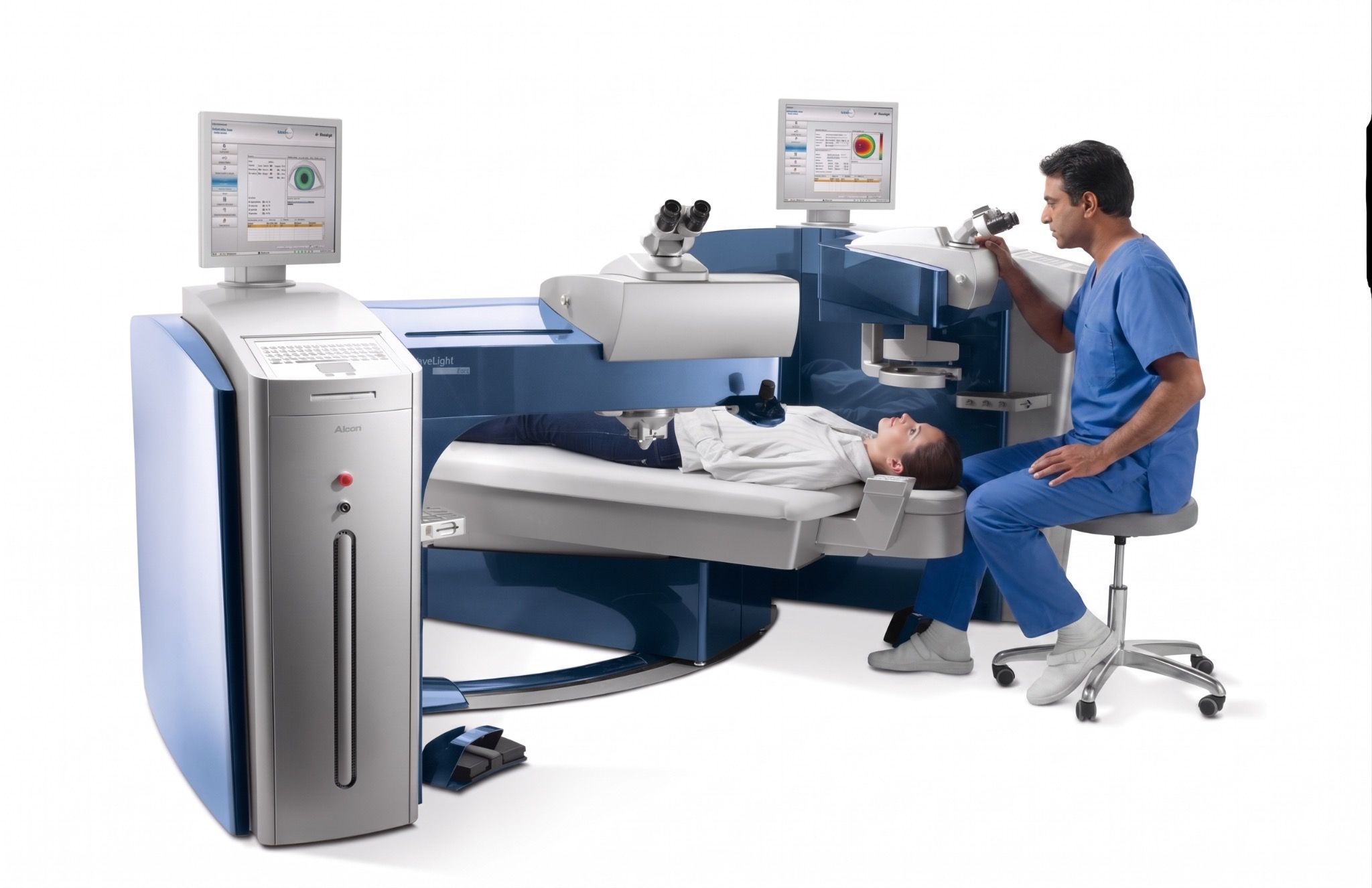
WaveLight Plus InnovEyes is performed on the Alcon WaveLight laser platform, which has received regulatory approval from international bodies like the US FDA and CE (European standards). In India, Alcon WaveLight platforms have been cleared by the Central Drugs Standard Control Organisation (CDSCO) for clinical use. These certifications indicate that the core laser hardware and its safety features have met strict global and Indian requirements for efficacy and patient protection.
However, regulatory approval does not mean "zero risk" or that every patient is suitable. Standards focus on safety, precision, and consistency but always require that your individual eye health is evaluated first. For example, regulations require that clinics must assess your corneal thickness, eye shape, and prescription stability before treatment. This is why a detailed clinical assessment, like the free Advanced Eye Mapping offered at Centre for Lasik, is the first step. Only after passing all safety criteria can you be considered for WaveLight Plus InnovEyes or any other laser procedure.
Understanding LASIK Risks: What Has Changed with Modern Laser Technology?
All forms of LASIK, including WaveLight Plus InnovEyes, come with potential risks. These risks can be grouped into three main categories:
- Intraoperative risks: These are rare and include issues with the corneal flap creation or suction loss. Modern bladeless lasers and advanced tracking systems have reduced the frequency of these complications.
- Early postoperative risks: These include temporary dry eye, light sensitivity, or mild discomfort. Most resolve within weeks, but some patients may need additional lubricating drops for a longer period.
- Late or persistent risks: These are less common but may include night vision disturbances (like glare or halos), under- or over-correction, or regression of vision over time. Severe complications, like corneal ectasia, are rare but possible, particularly if screening is not rigorous.
With WaveLight Plus InnovEyes, the use of high-speed eye tracking, customized treatment planning, and whole-eye optical measurement has further improved the precision of each laser pulse. This means the risk of human error or unintended tissue removal is lower than with older methods, though no system can eliminate all risk.
How WaveLight Plus InnovEyes Improves Safety with Personalised Planning
Traditional LASIK relies heavily on your glasses prescription and basic corneal topography. In contrast, WaveLight Plus InnovEyes uses ray-tracing-based planning and a "Digital Eye Twin"—a virtual model of your entire optical system. This approach analyses how light actually travels through your eye, not just the cornea, leading to highly personalised treatment profiles.
What does this mean for safety? Personalised planning helps to:
- Minimise the chance of under- or over-correction, as the laser ablation is tailored to your unique optical signature
- Reduce the risk of night vision issues by smoothing higher-order aberrations
- Avoid treating unsuitable eyes, thanks to advanced mapping that can detect subtle weaknesses or irregularities
For Indian patients, this extra layer of analysis can be especially important if you have a complex prescription, previous eye injury, or irregular corneal shape. Still, the selection process remains crucial. Not every patient will qualify—your individual anatomy and vision stability must still be confirmed during preoperative testing.
Residual Risks and Side Effects: What Should You Realistically Expect?
No laser eye procedure is completely free of side effects or risks—even with advanced systems like WaveLight Plus InnovEyes. It's important to set realistic expectations:
- Temporary dry eye is still the most frequent early side effect. Most patients recover quickly, but some may need lubricants for several months, especially in dry climates or if you have a pre-existing tendency for dry eyes.
- Night vision disturbances (glare, halos, starbursts) can occur, particularly in the first few months after surgery. Personalised planning aims to reduce these effects, but individual results vary.
- Regression: Some patients may notice a small shift in their vision over time, especially those with very high spectacle numbers. Enhancements are possible if needed, after further evaluation.
- Corneal ectasia: This rare but serious complication involves progressive weakening of the cornea. Rigorous screening (as with Advanced Eye Mapping) is the best way to minimise this risk, but it cannot be eliminated entirely.
Your surgeon will discuss how these risks apply to your specific case during your eligibility consultation. Remember, your spectacle number is just one part of your vision—advanced mapping helps, but cannot override basic safety criteria like corneal health and thickness.
Safety Innovations: What Has Advanced Eye Tracking and Mapping Changed?
Older LASIK platforms relied on the patient keeping their eye perfectly still during treatment. Today, WaveLight Plus InnovEyes features high-speed eye tracking that follows even small, involuntary eye movements—over a thousand times per second—helping to ensure the laser stays precisely on target. This reduces the chance of misplaced ablation, which could affect your visual outcome.
Additionally, the Advanced Eye Mapping session at Centre for Lasik uses sophisticated diagnostic equipment to create a whole-eye model. This means subtle issues like early keratoconus or irregular astigmatism can often be detected before you’re cleared for surgery. In practical terms, this means some people who may have been considered borderline candidates for older LASIK are now screened out—improving overall safety.
These innovations do not remove all risks, but they have helped to make serious complications even less common when compared to traditional LASIK. If you have special occupational requirements (e.g., pilot, armed forces), always check if these advances are accepted under current regulatory standards.
Who Should Not Consider WaveLight Plus? The Role of Rigorous Candidacy Screening
Despite the advances, WaveLight Plus InnovEyes is not suitable for everyone. Absolute safety depends on excluding patients at higher risk for complications. You may not be eligible if you have:
- Thin or abnormally shaped corneas
- Severe dry eye disease
- Unstable spectacle numbers (changing more than ±0.5 dioptre in the past year)
- Active eye infections or uncontrolled systemic diseases (like diabetes)
- Certain types of previous eye surgery
The free eligibility assessment at Centre for Lasik is designed to uncover these factors before any commitment. For Indian patients, this step is especially crucial, as certain eye conditions are more common in our population due to genetics and environmental factors. If you are not a candidate, your surgeon may discuss alternatives such as SMILE, PRK, or ICL, each with their own safety profiles.
Always remember: Suitability is based on your unique eye health, occupation, and lifestyle needs. An honest clinic will advise you if WaveLight Plus InnovEyes is not the safest choice for you.
Transparent Pricing and Follow-up: What’s Included and Why It Matters for Safety
Cost and aftercare are also important safety topics. At Centre for Lasik, WaveLight Plus InnovEyes costs ₹49,999 per eye (₹99,998 for both eyes), all-inclusive—covering your surgery, initial medications, and a 12-month follow-up package. There are no hidden fees, and no-cost EMI options are available starting from ₹4,167 per month.
Why does this matter for safety? Comprehensive aftercare ensures that any side effects or healing issues are detected and managed early. Follow-up visits are essential for monitoring your corneal health, vision stability, and dry eye status. Skipping these checks to save on cost can put your results at risk.
Always ask for clear pricing and ensure follow-up is included before committing to any laser eye surgery. You can learn more about our pricing and packages here.
Frequently Asked Questions
Learn if WaveLight Plus InnovEyes is Right for Your Eyes
Book your free Advanced Eye Mapping and eligibility assessment today. No-obligation, transparent advice from experienced surgeons.
+91-96677 70450Related Reading
What to Expect: Tests Before WaveLight Plus InnovEyes
Discover the key tests before WaveLight Plus. Learn what to expect during your Advanced Eye Mapping and how to prepare for your assessment day.
Read more Technology ExplainedAdvanced Eye Mapping: The Complete LASIK Eye Test Before Surgery
Discover what advanced eye mapping includes, why it's crucial before LASIK, and how your free assessment at Centre for Lasik determines suitability.
Read more